CNRS · ISEM · Montpellier
Camille Roux
Ongoing research
RadiaSpe: Exploring drivers of reproductive isolation in plant evolutionary radiations
RadiaSpe asks whether plant evolutionary radiations are accompanied by faster accumulation of reproductive barriers, and which ecological and genomic mechanisms contribute to this acceleration.
Evolutionary radiations generate striking bursts of species diversity, but it remains unclear whether they also correspond to faster accumulation of barriers to gene flow. RadiaSpe addresses this question in two plant genera, Diospyros and Tillandsia, where radiating and non-radiating clades can be compared within the same evolutionary framework.
Biological systems
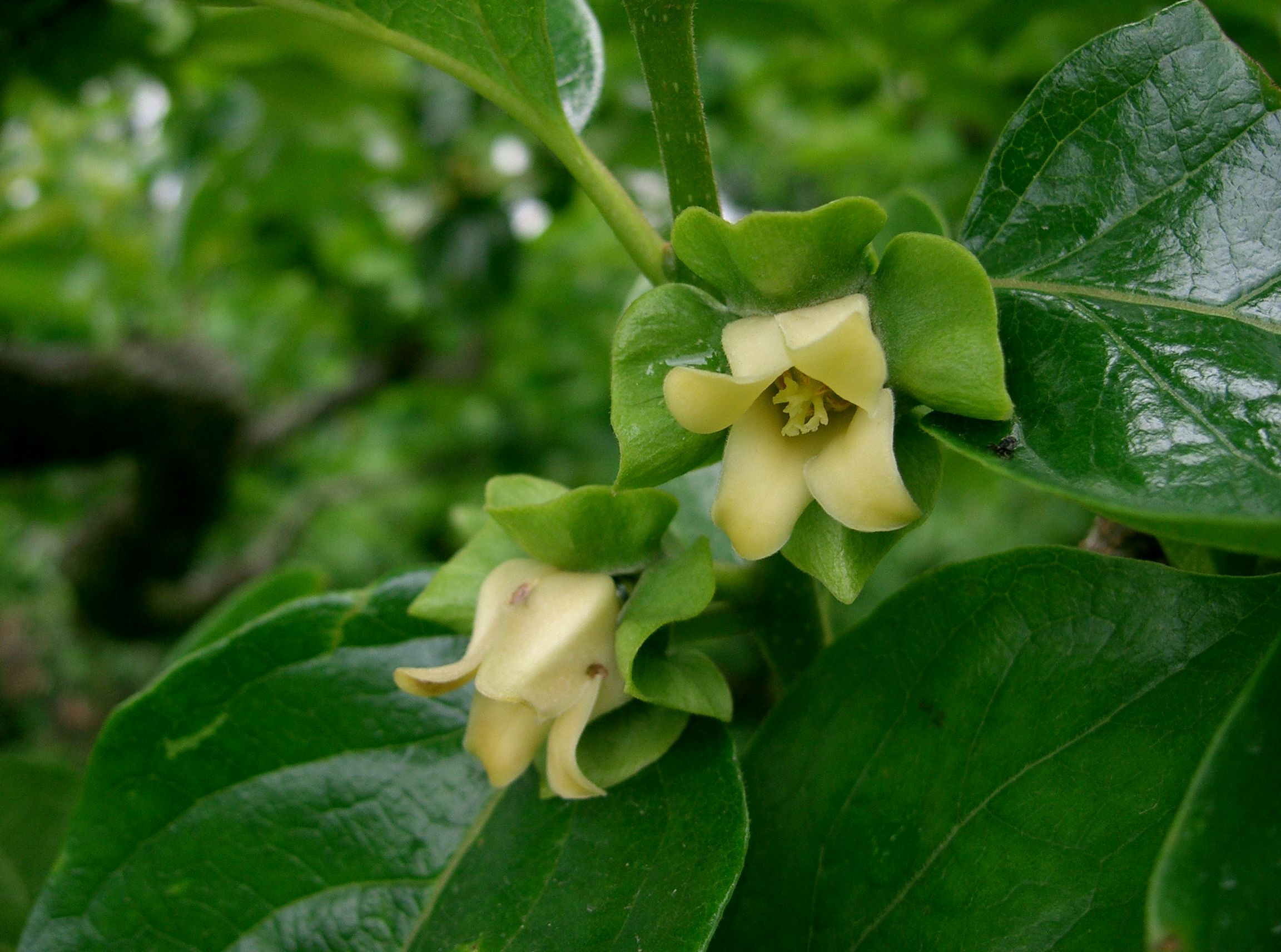
Diospyros
Diospyros includes a rapid New Caledonian radiation alongside non-radiating relatives, providing a comparative framework to study the genomic and ecological drivers of diversification.

Tillandsia
Tillandsia is a diverse bromeliad genus with strong variation in ecology, morphology, photosynthetic strategies, and pollination-related traits.
WP1: Gene flow and reproductive barriers
Compare radiating and non-radiating clades to test whether reproductive barriers accumulate faster during evolutionary radiations.
WP2: Ecological determinants
Assess whether pollinators, soil chemistry, climate, morphology, and other ecological factors help explain divergence among closely related species.
WP3: Genomic determinants
Characterize selection, structural variation, transposable elements, and other genomic features that may contribute to diversification.
Participants
- Camille Roux CNRS, Institut des Sciences de l'Évolution de Montpellier (ISEM)
- Ovidiu Paun University of Vienna, Department of Botany and Biodiversity Research
- Bert Van Bocxlaer CNRS, Université de Lille
- Thibault Leroy INRAE, GenPhySE, Toulouse
- Christelle Fraïsse CNRS, Institut des Sciences de l'Évolution de Montpellier (ISEM)
Past research
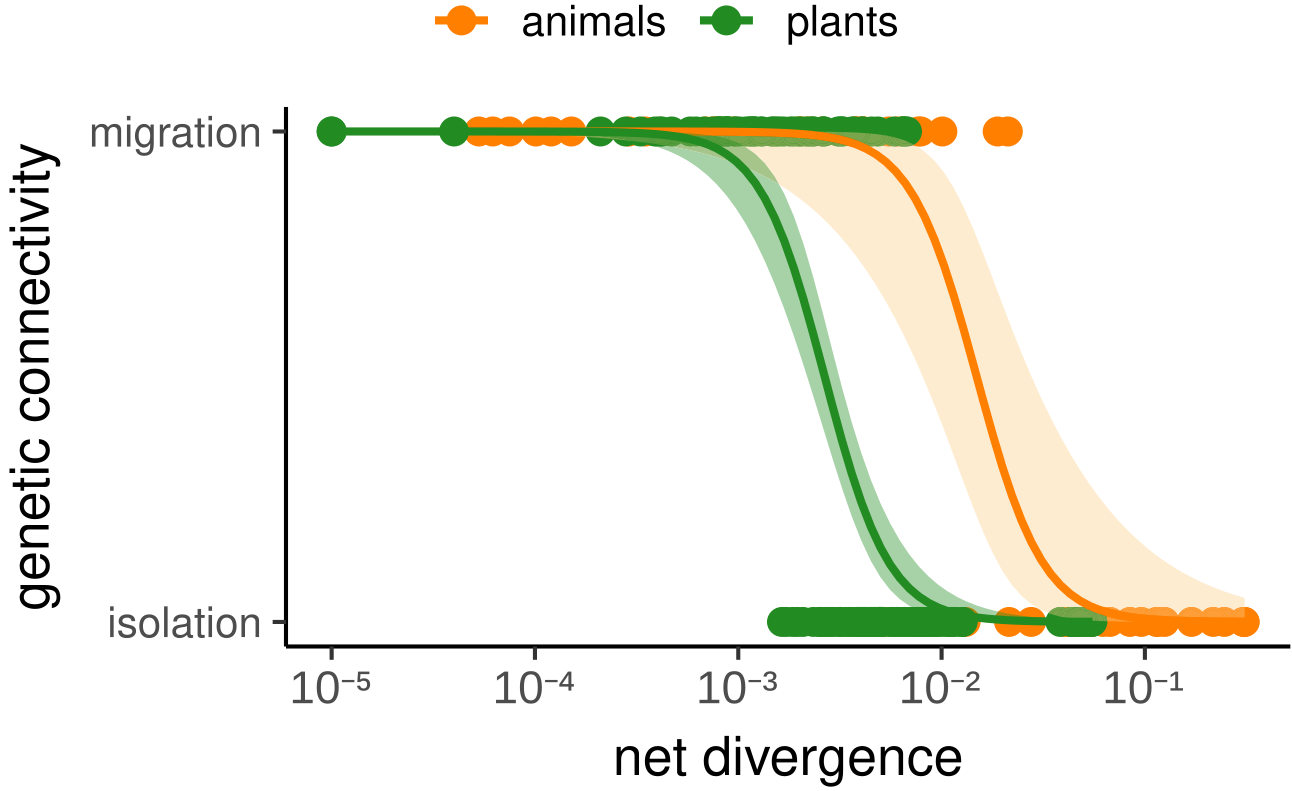
Rapid establishment of species barriers in plants compared with that in animals
Last author
We show that plants tend to lose genetic connectivity faster than animals at comparable levels of genomic divergence, suggesting faster establishment of species barriers in plants.
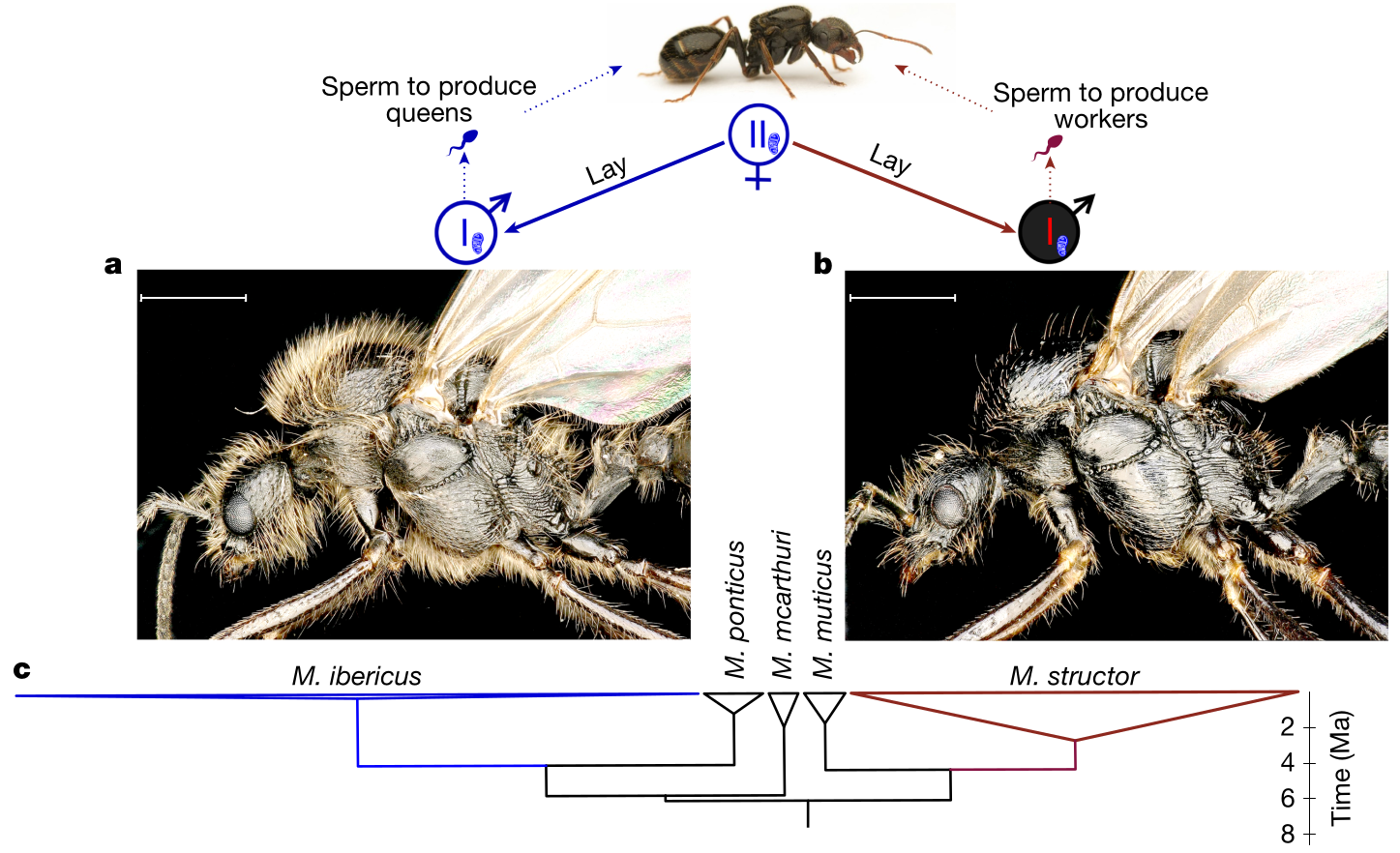
One mother for two species via obligate cross-species cloning in ants
Co-author
Juvé et al. reveal an extraordinary reproductive system in Messor ants, where M. ibericus queens produce males of another species and require their sperm to generate workers.
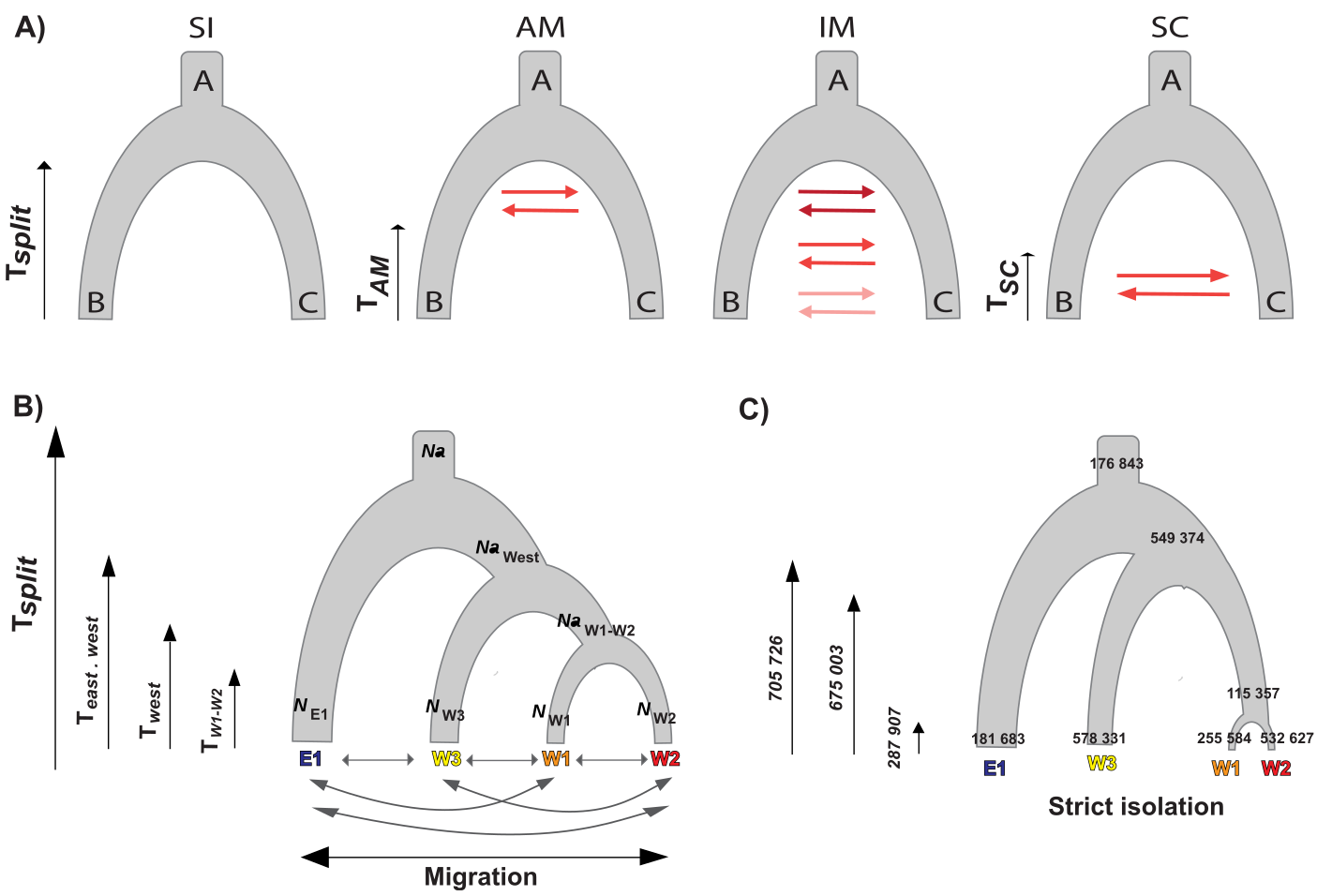
Genetic Isolation among Four Lineages of Silene nutans
Co-author
Postel et al. use DILS and transcriptomic data to show that four Silene nutans lineages diverged in strict isolation, with rapid reproductive isolation possibly linked to plastid–nuclear incompatibilities.
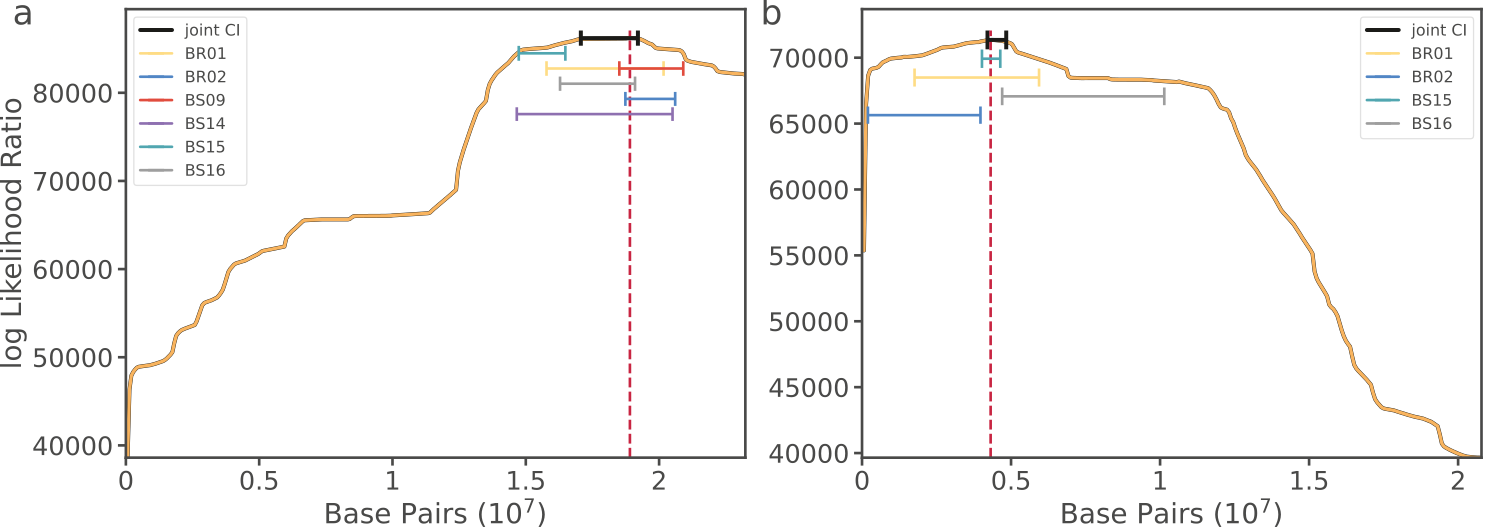
Diverging Arabidopsis populations quickly accumulate pollen-acting genetic incompatibilities
Co-author
Condon et al. show that pollen-acting segregation distortion can arise rapidly within and between Arabidopsis lineages, suggesting that haploid-stage incompatibilities may contribute early to reproductive isolation.
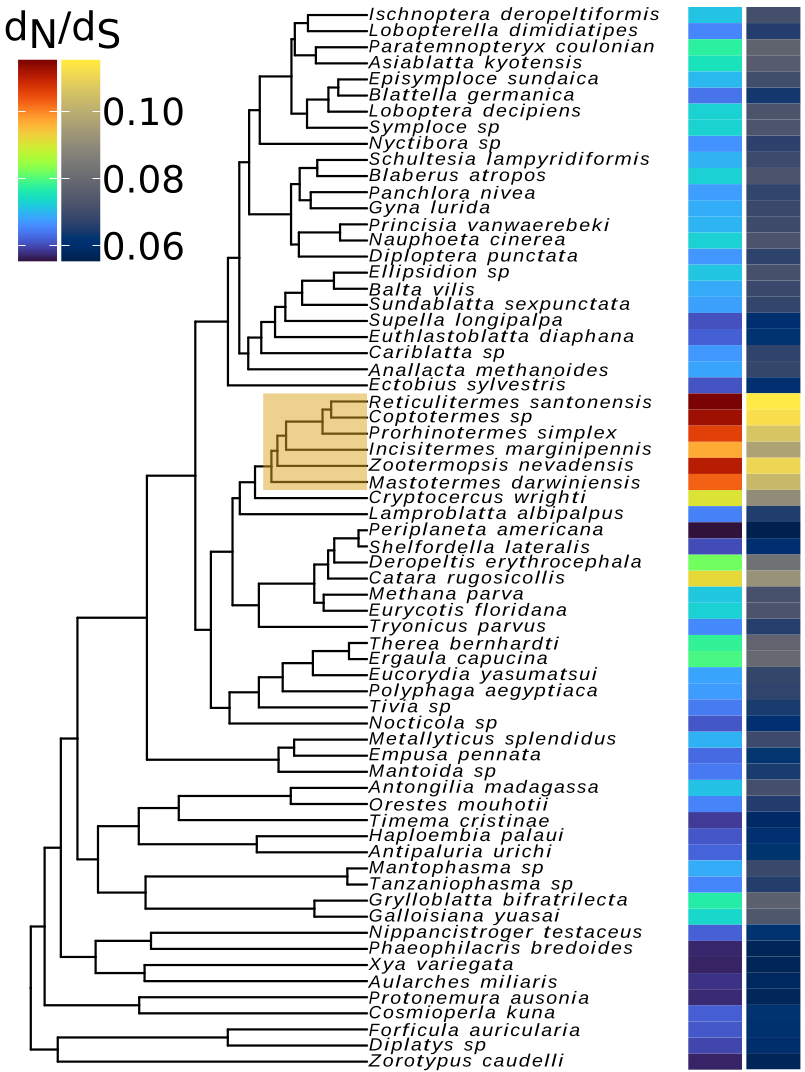
The impact of social complexity on the efficacy of natural selection in termites
First author
We show that termites have elevated dN/dS compared with other Blattodea, suggesting that eusociality and social complexity reduce the genome-wide efficacy of natural selection.
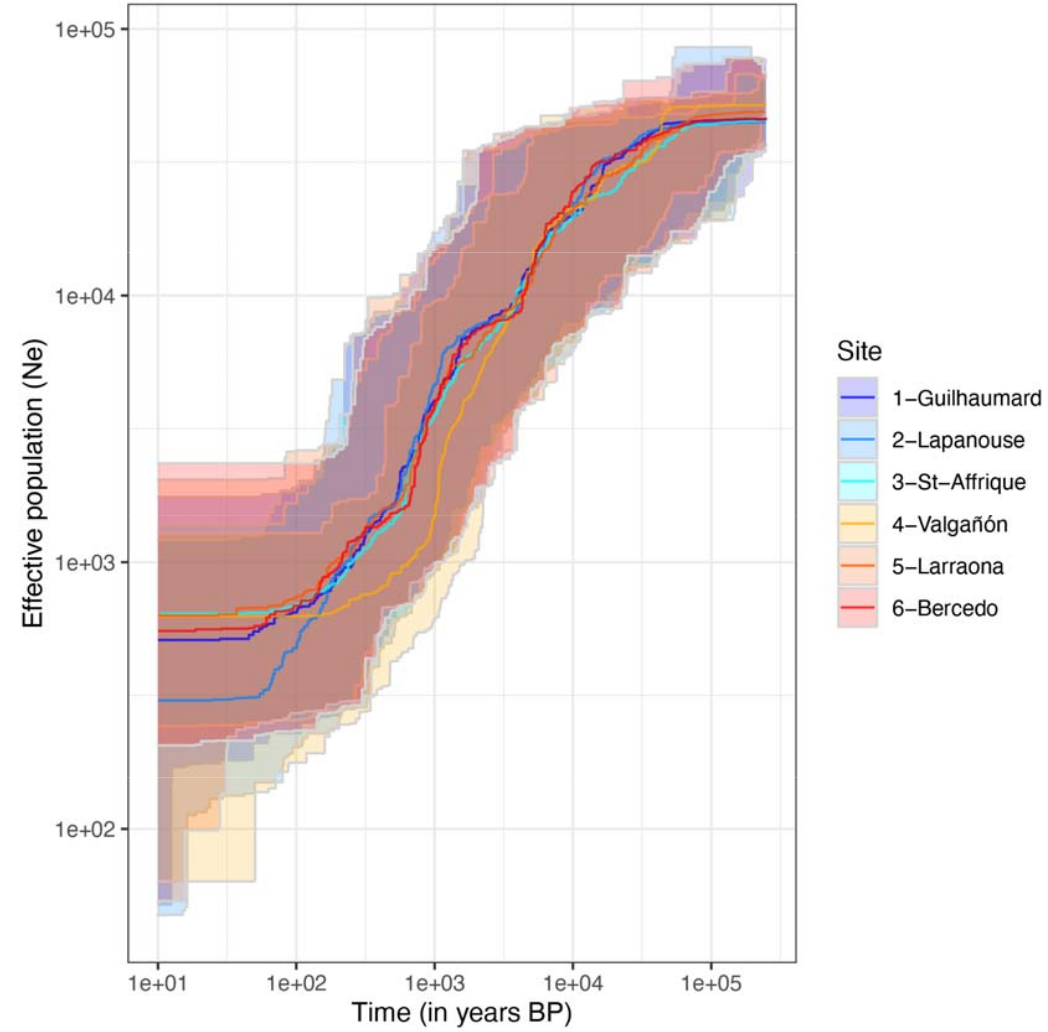
Holocene climate change promoted allopatric divergence and disjunct geographic distribution in a bee orchid species
Co-author
Gibert et al. combine population genomics and ecological niche modelling to show that Holocene climate change promoted recent allopatric divergence between disjunct Ophrys aveyronensis populations.
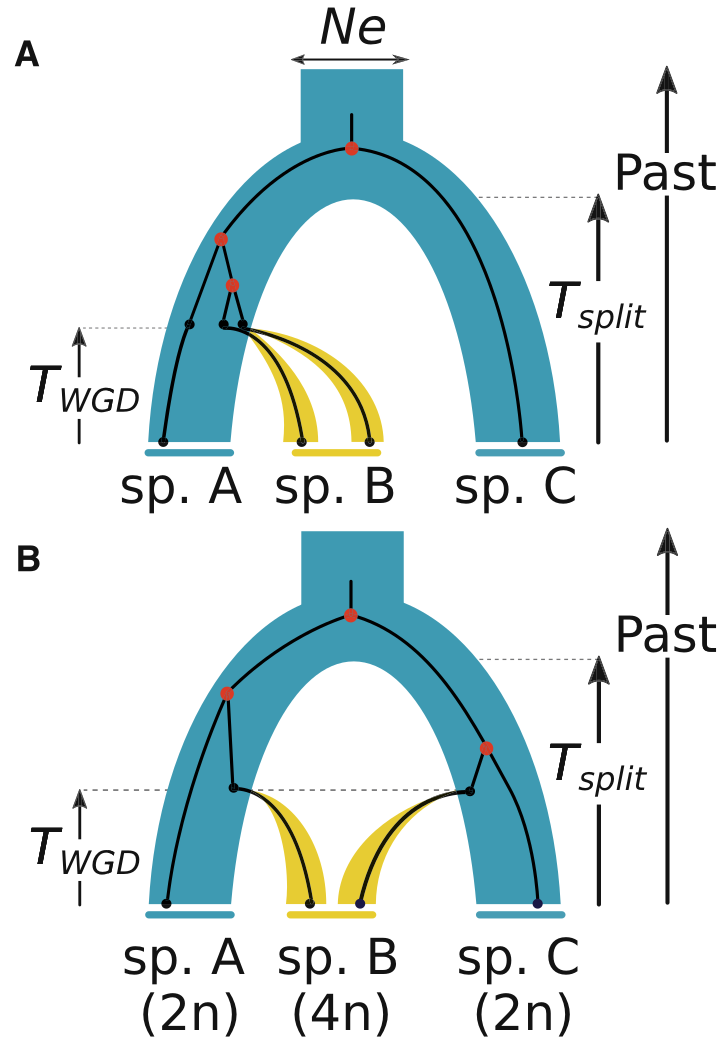
Inferring the Demographic History and Inheritance Mode of Tetraploid Species Using ABC
First author
We present an ABC framework to infer the demographic history, origin, and inheritance mode of tetraploid species from population genomic data.
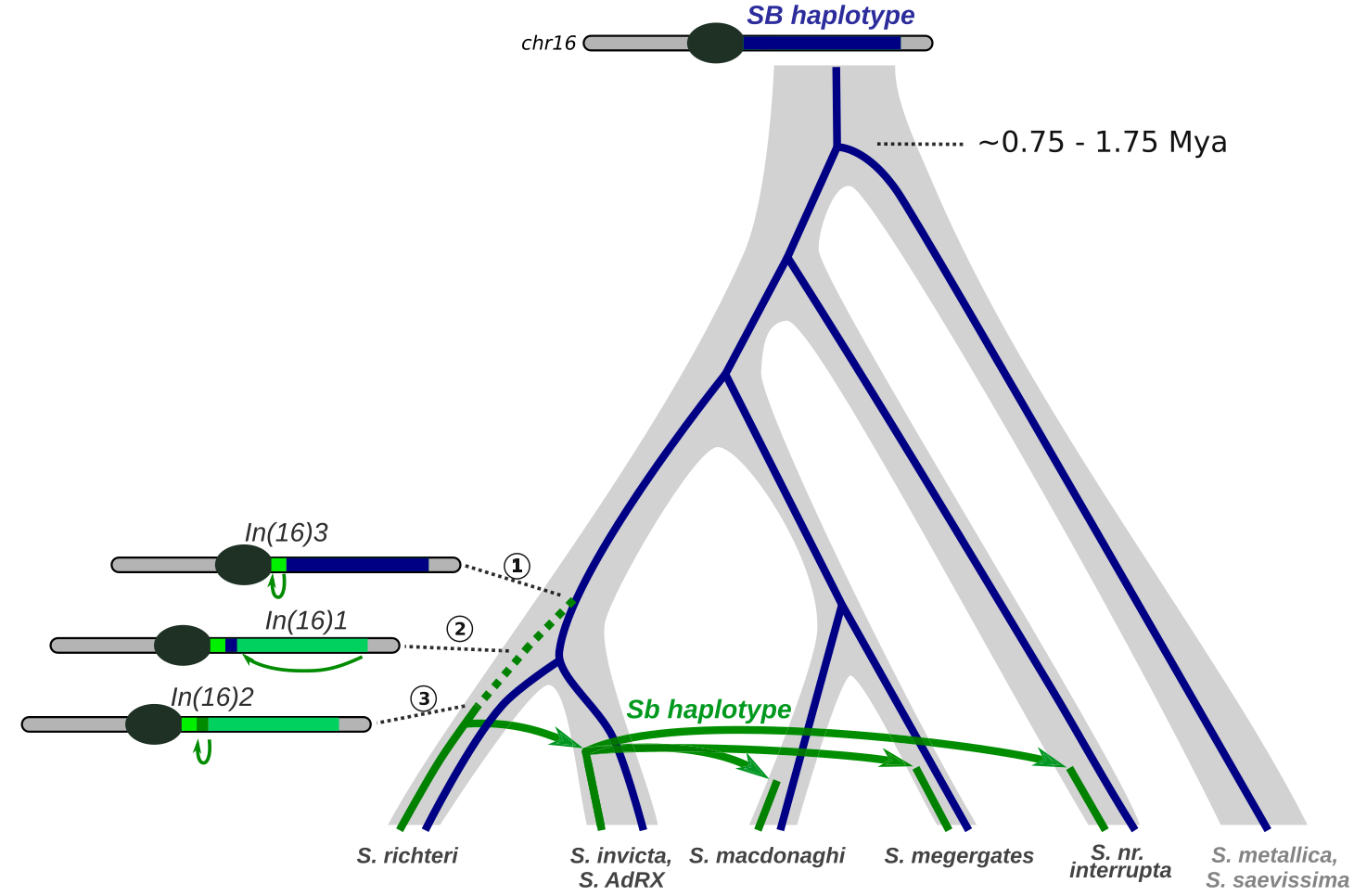
Radiation and hybridization underpin the spread of the fire ant social supergene
Co-author
Helleu et al. reconstruct the evolutionary history of the fire ant social supergene, showing that it assembled through sequential inversions before spreading across species boundaries by introgression.
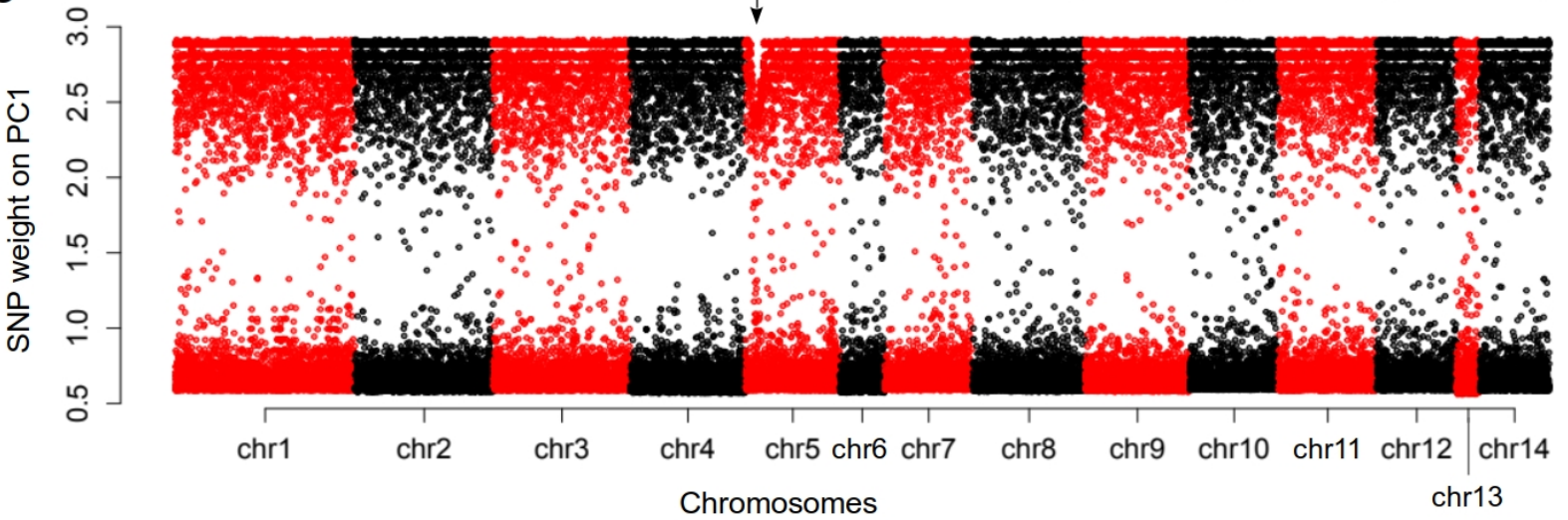
Introgression between highly divergent sea squirt genomes: an adaptive breakthrough?
Co-author
Fraïsse et al. show that introgression between highly divergent Ciona genomes is rare overall but concentrated in a chromosome 5 hotspot, with signatures consistent with recent positive selection.
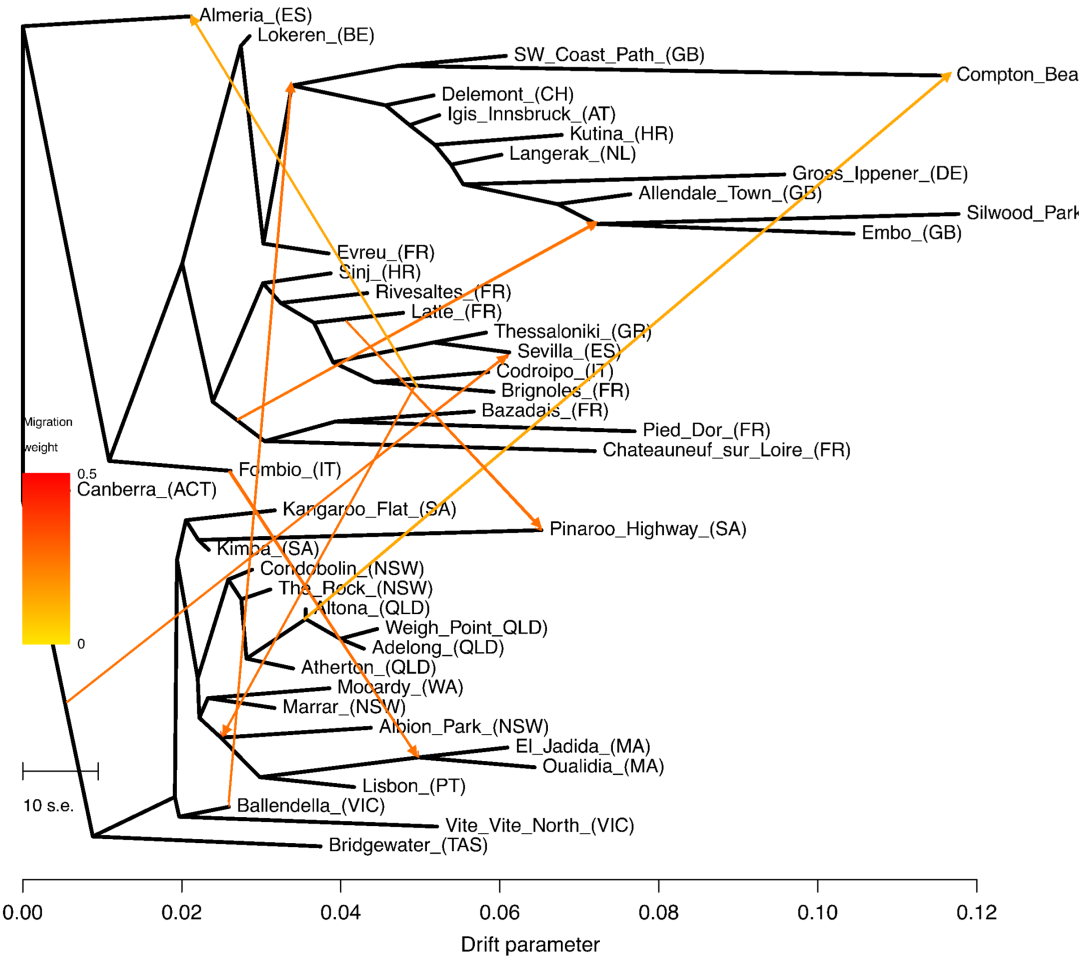
Population genomics reveal multiple introductions and admixture of Sonchus oleraceus in Australia
Co-author
Encinas-Viso et al. reconstruct the invasion history of Sonchus oleraceus in Australia, revealing multiple introductions, admixture, and a more complex demographic history than a single recent colonization.
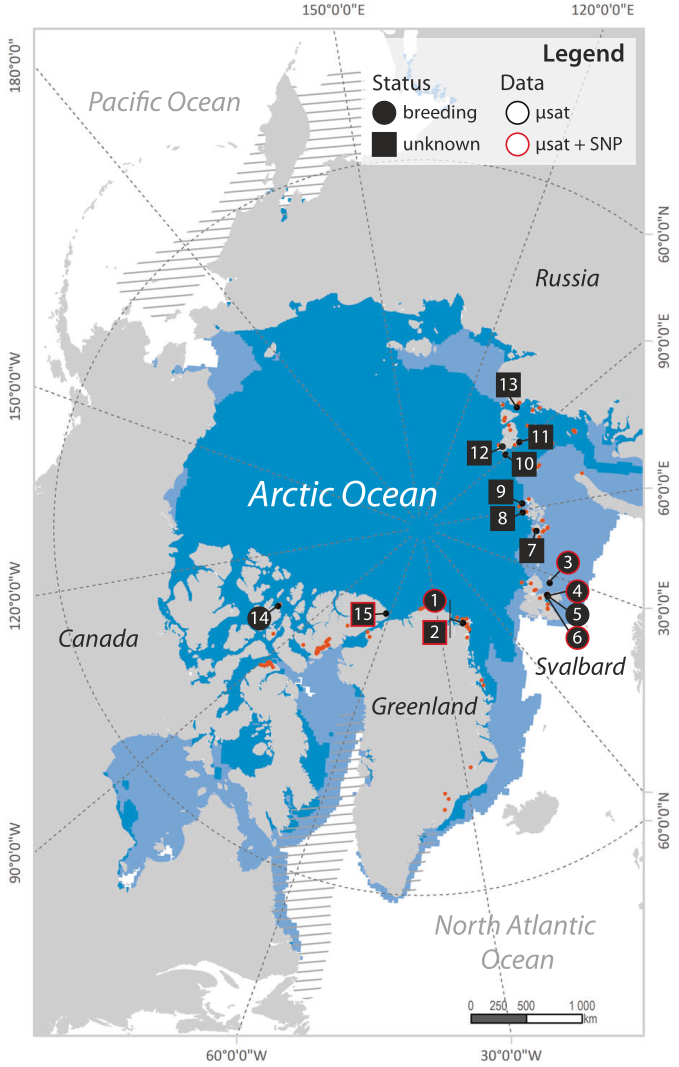
Searching for genetic evidence of demographic decline in an arctic seabird: beware of overlapping generations
Co-author
Charbonnel et al. test for genetic signatures of demographic decline in the ivory gull and show that overlapping generations can delay or weaken bottleneck signals in long-lived species.
DILS: Demographic inferences with linked selection by using ABC
Last author
We present DILS, a statistical platform for demographic inference from population genomic data, designed to compare models of divergence, gene flow, linked selection, and genomic heterogeneity.
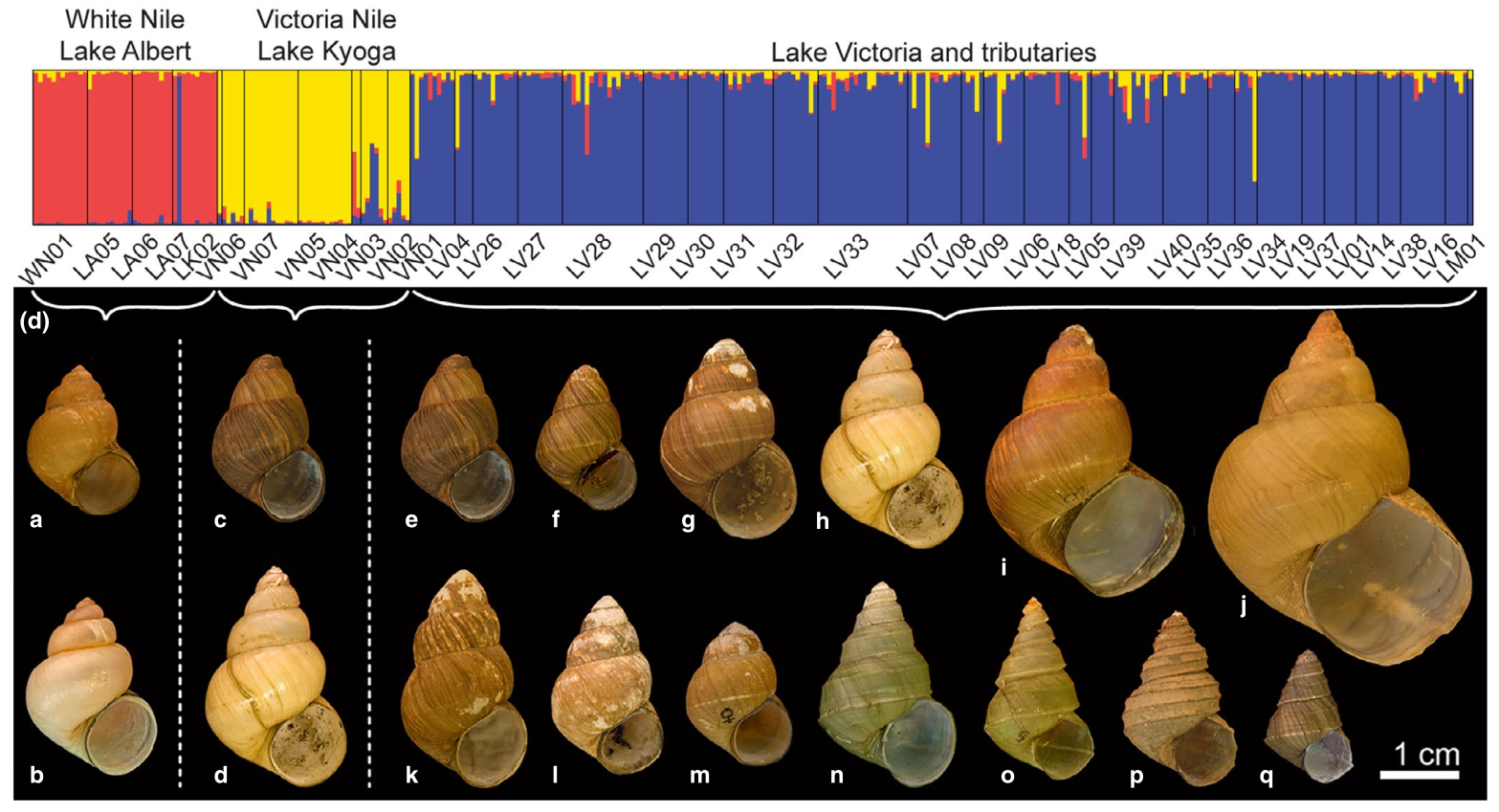
Population collapse in viviparid gastropods of the Lake Victoria ecoregion started before the Last Glacial Maximum
Co-author
Van Bocxlaer et al. use microsatellites and ABC to show that viviparid gastropods in the Lake Victoria ecoregion experienced a severe population decline that began well before the Last Glacial Maximum.
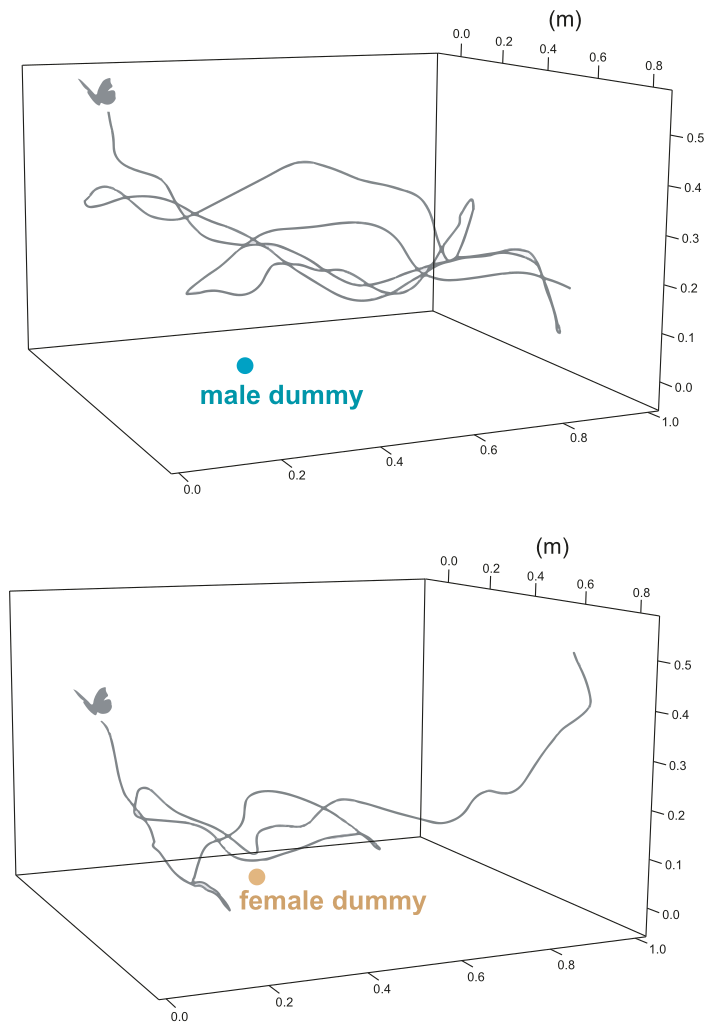
Convergent morphology and divergent phenology promote the coexistence of Morpho butterfly species
Co-author
Le Roy et al. show that closely related Morpho butterflies can remain genetically isolated despite convergent wing patterns, partly through temporal segregation in male flight activity.
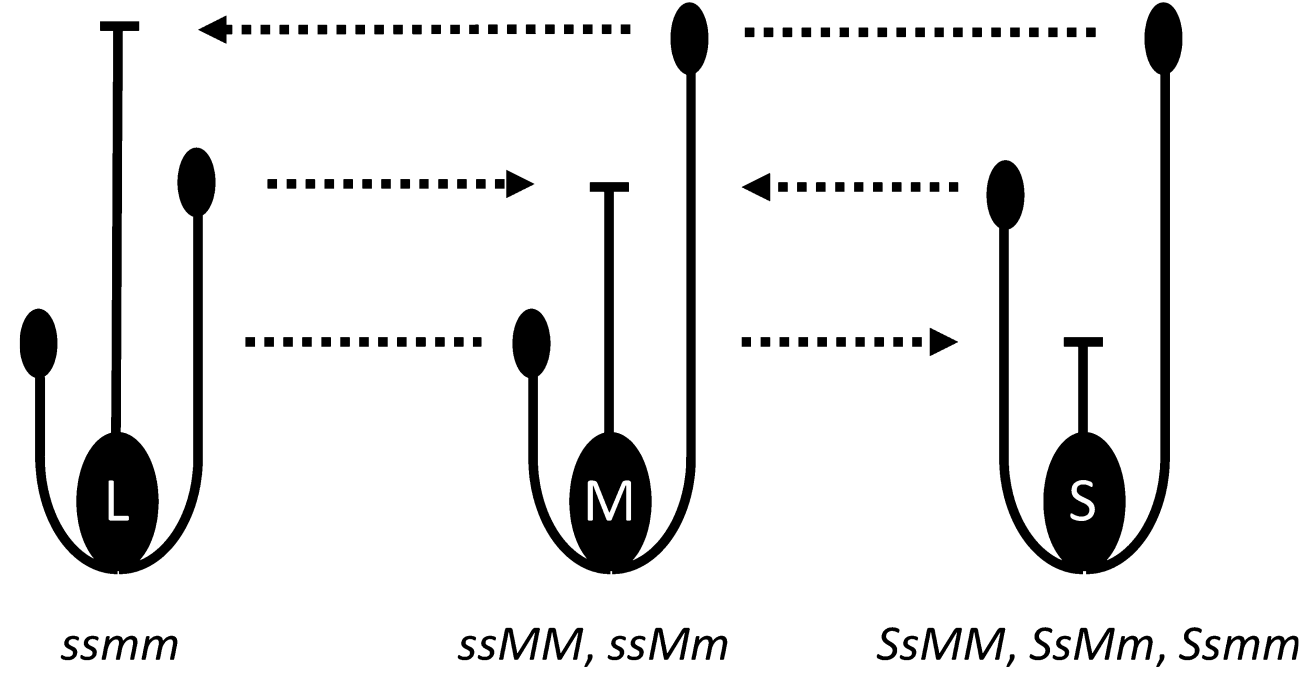
The opposing effects of genetic drift and Haldane’s sieve on floral-morph frequencies in tristylous metapopulations
First author
We use simulations of tristylous metapopulations to show how genetic drift and Haldane’s sieve can have opposing effects on floral morph frequencies.
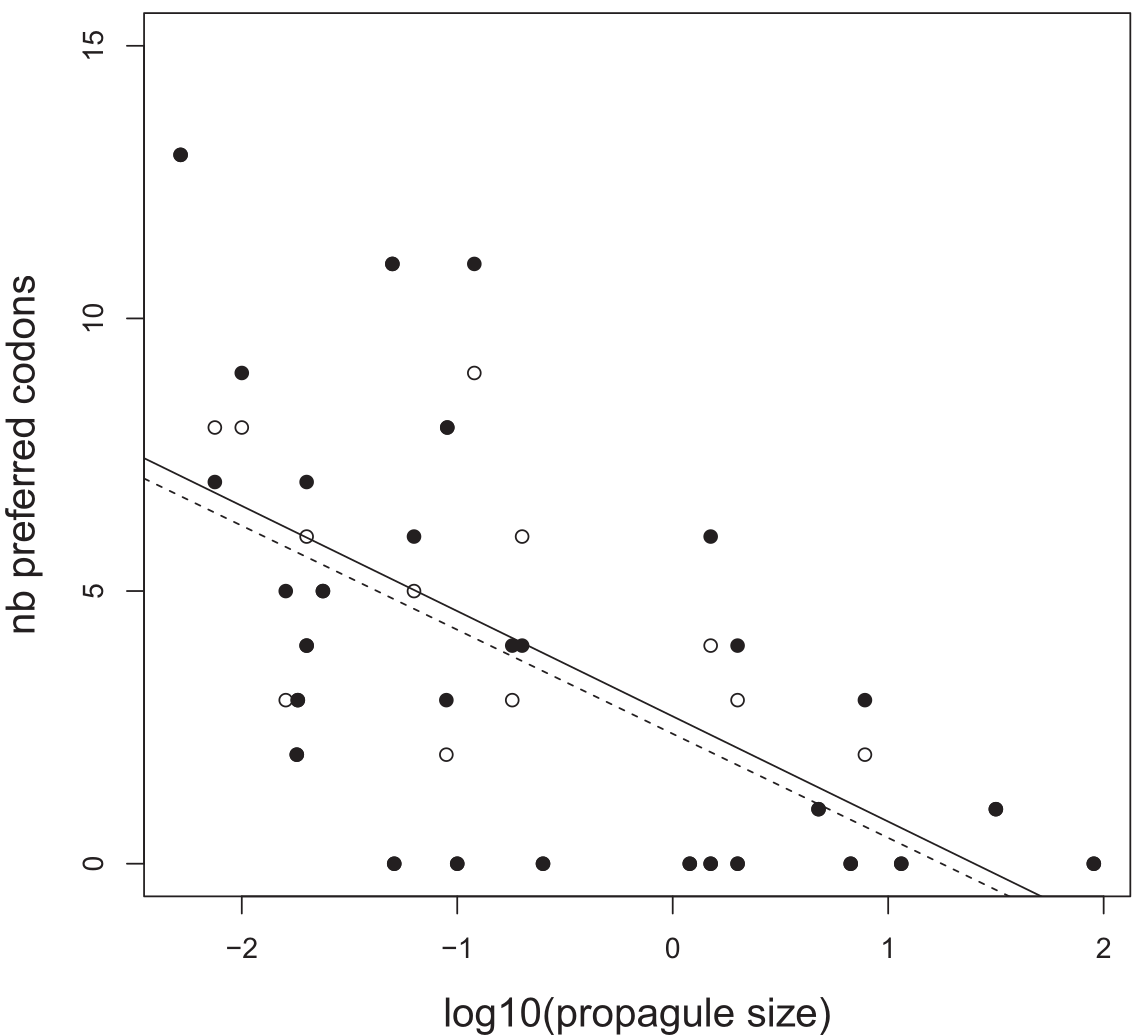
Codon Usage Bias in Animals: Disentangling the Effects of Natural Selection, Effective Population Size, and GC-Biased Gene Conversion
Co-author
Galtier et al. disentangle translational selection from GC-biased gene conversion across 30 animal species, showing that codon usage is shaped by selection mainly in large-Ne species.
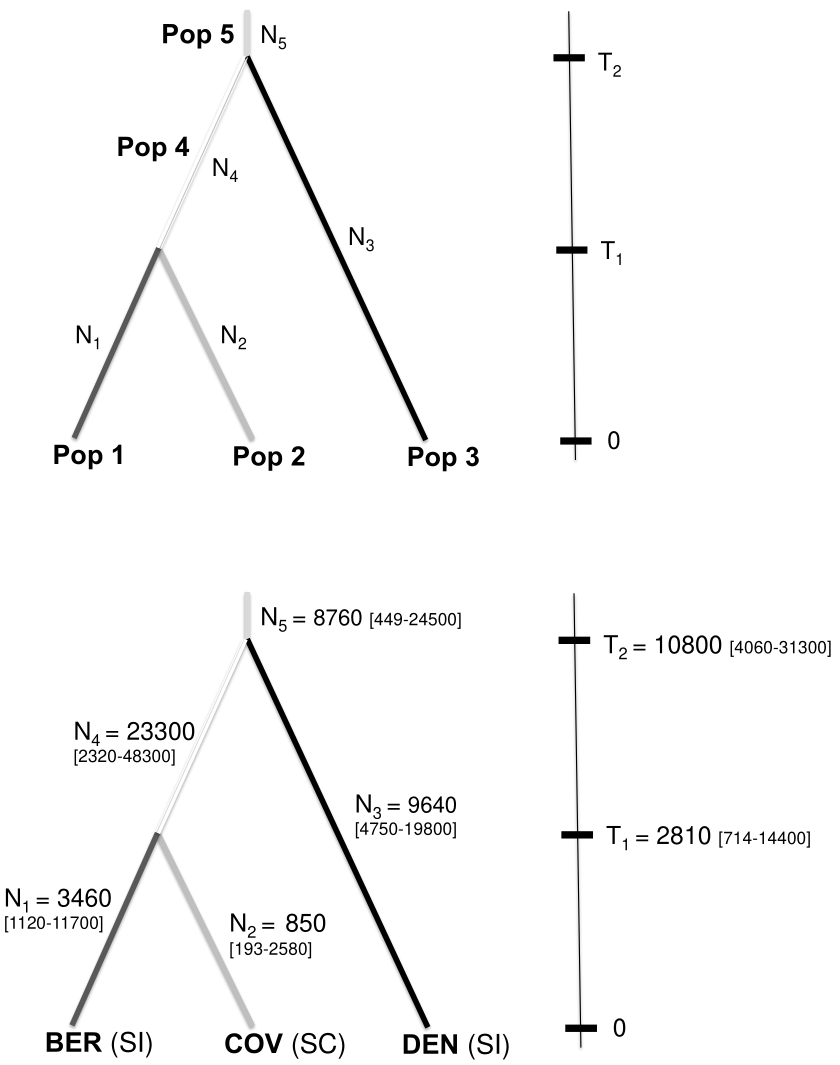
The divergence history of the perennial plant Linaria cavanillesii confirms a recent loss of self-incompatibility
Co-author
Voillemot et al. use ABC to show that the self-compatible population of Linaria cavanillesii diverged recently from self-incompatible populations, suggesting an intermediate stage in the transition toward selfing.
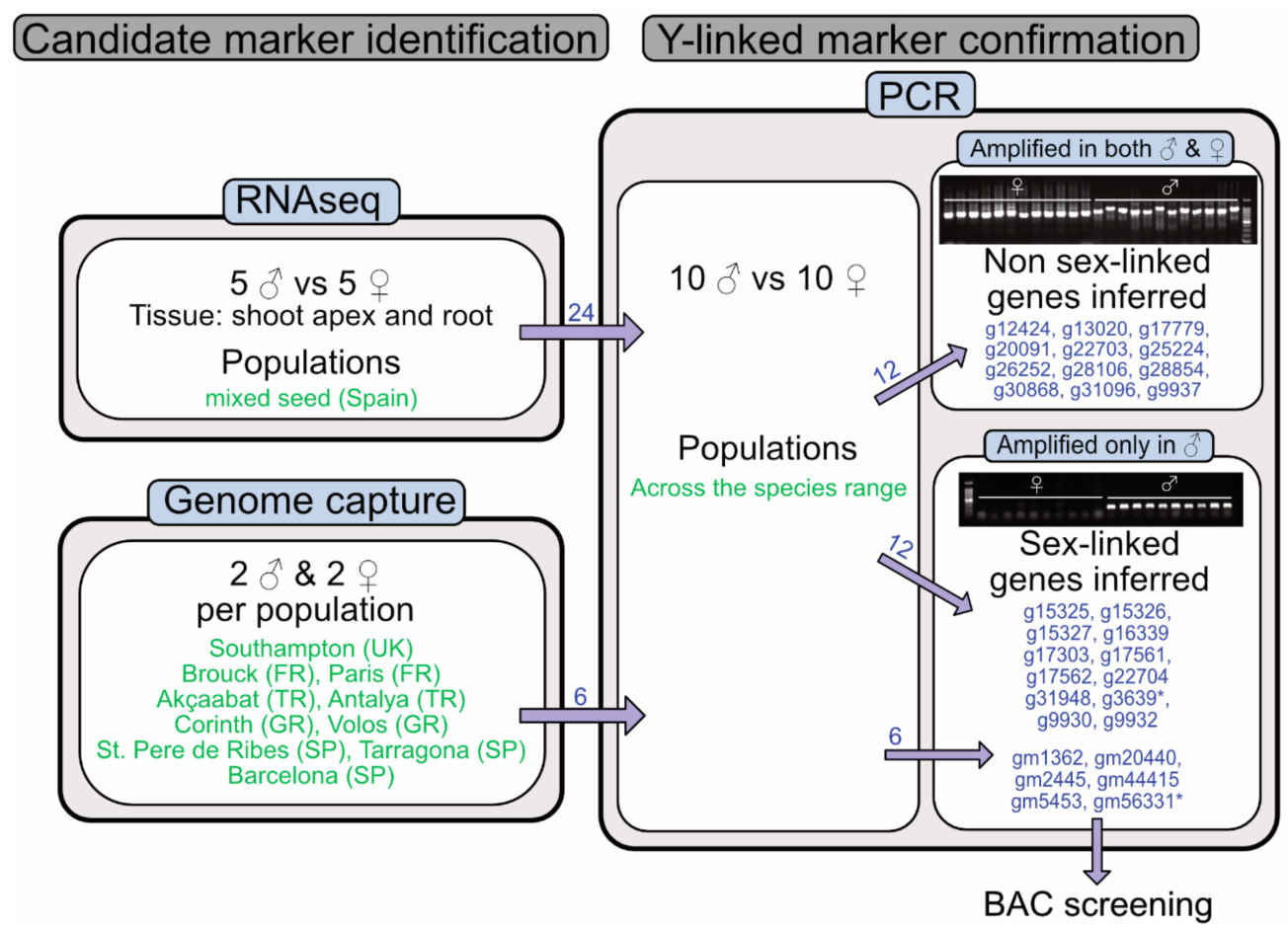
Size and Content of the Sex-Determining Region of the Y Chromosome in Dioecious Mercurialis annua, a Plant with Homomorphic Sex Chromosomes
Co-author
Veltsos et al. characterize the sex-determining region of the Y chromosome in Mercurialis annua, showing that a plant with homomorphic sex chromosomes can nevertheless carry a large non-recombining region.
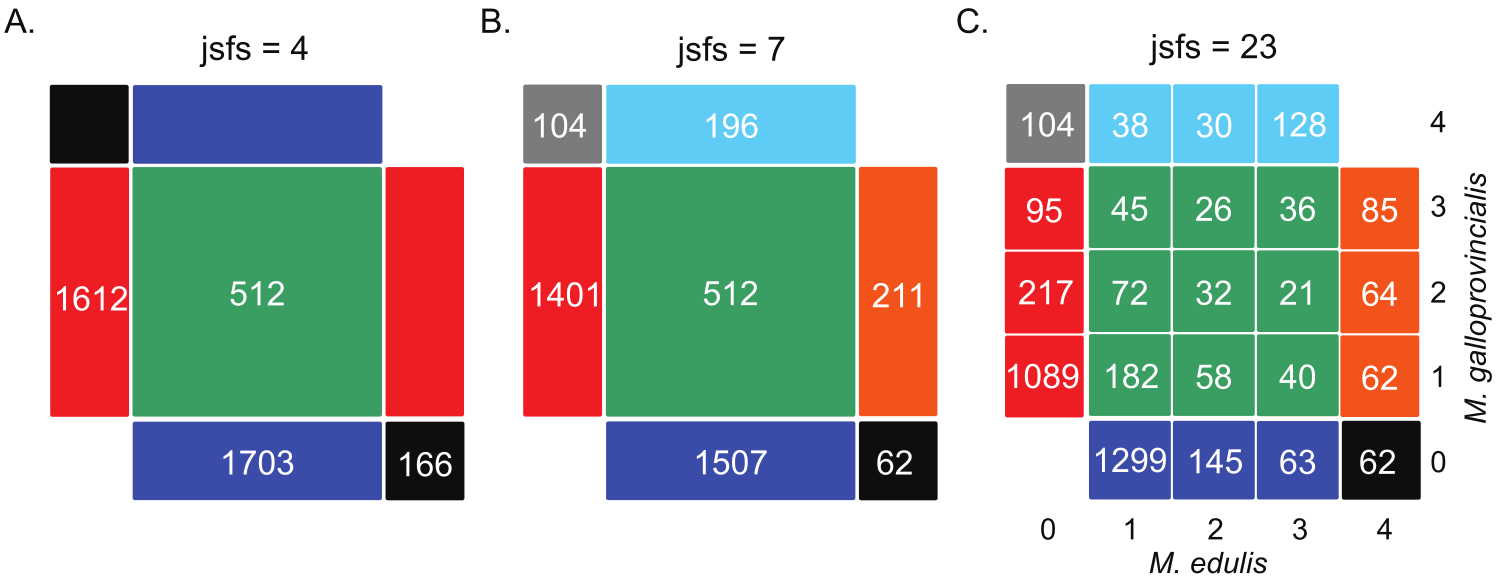
The divergence history of European blue mussel species reconstructed from Approximate Bayesian Computation: the effects of sequencing techniques and sampling strategies
Co-author
Fraïsse et al. evaluate ABC demographic inference in European blue mussels, showing that conclusions depend strongly on how genomic data are summarized and modelled.
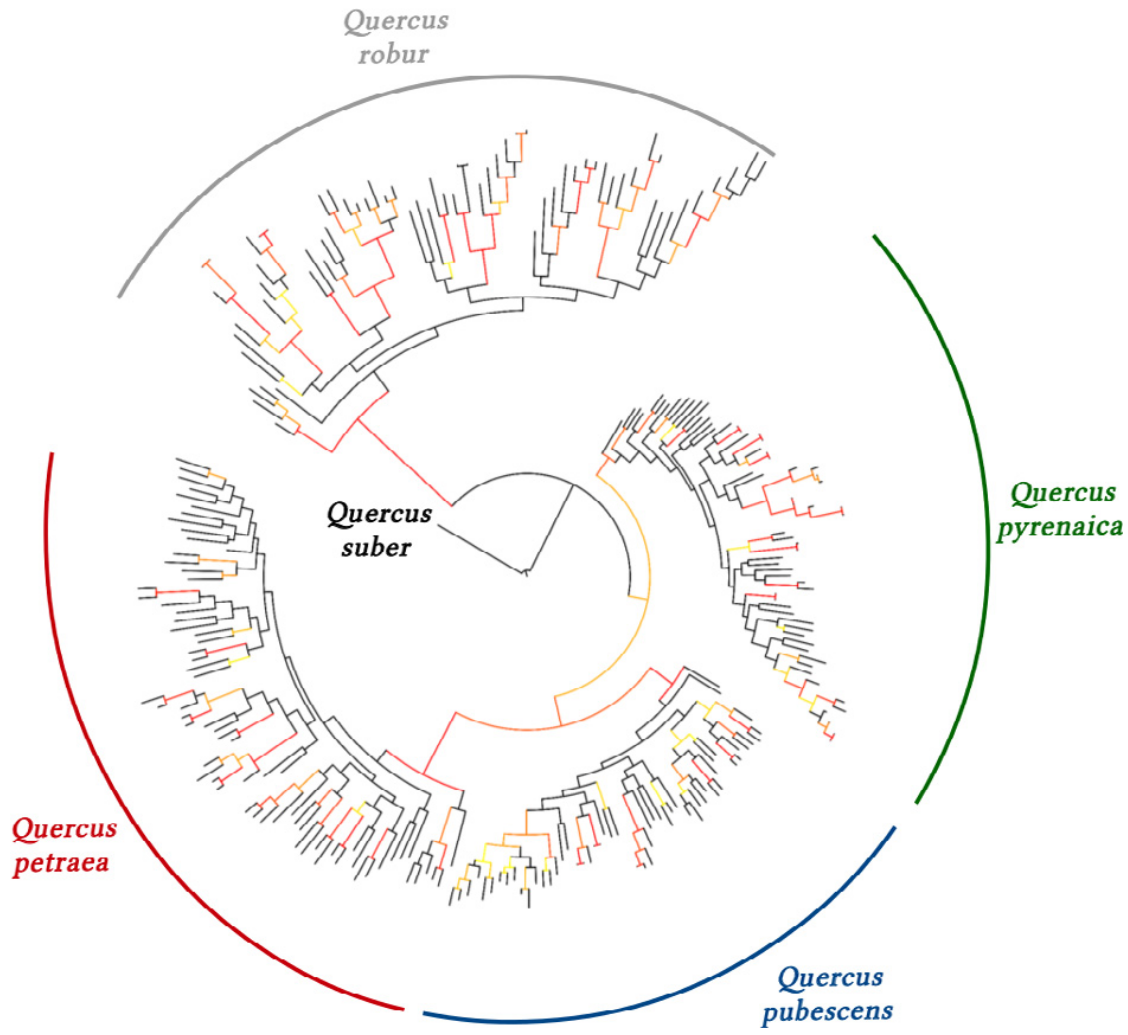
Extensive recent secondary contacts between four European white oak species
Co-author
Leroy et al. show that four European white oak species evolved largely in isolation before recent secondary contacts, leaving genomes shaped by both introgression and barriers to gene flow.
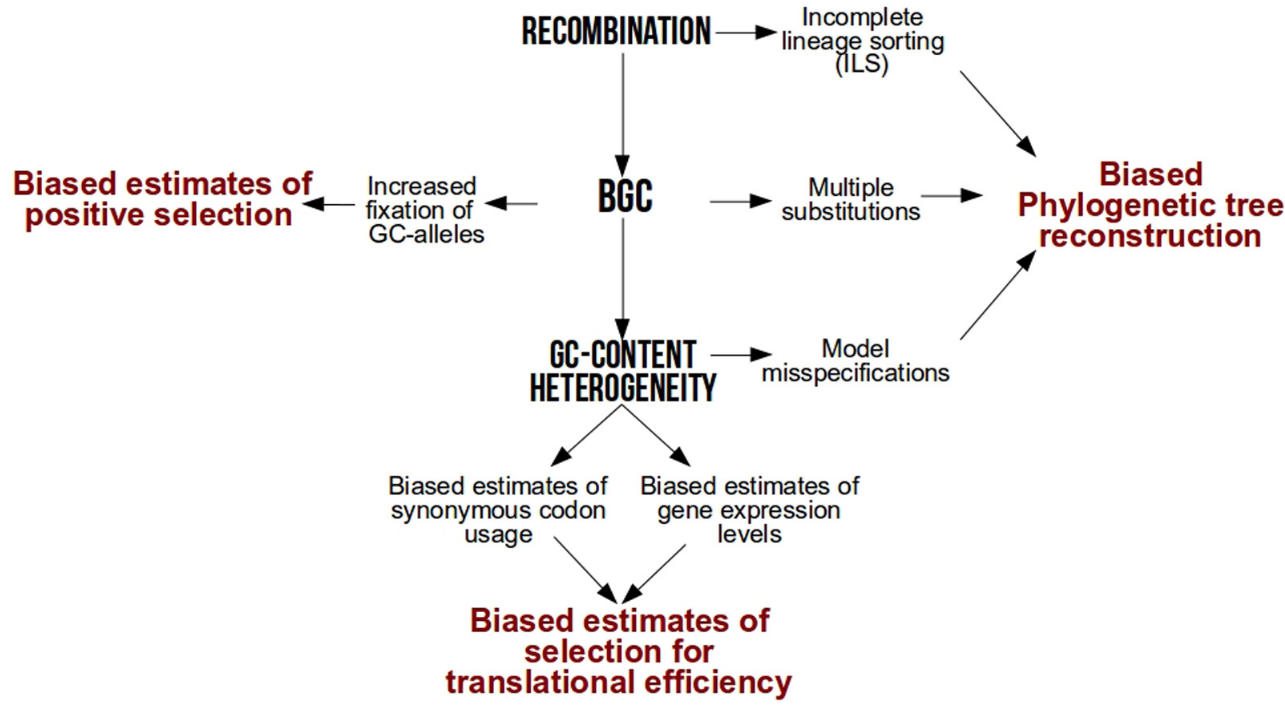
Analytical Biases Associated with GC-Content in Molecular Evolution
Last author
We review how GC-content heterogeneity and GC-biased gene conversion can bias phylogenetic reconstruction, tests of positive selection, and estimates of codon usage.
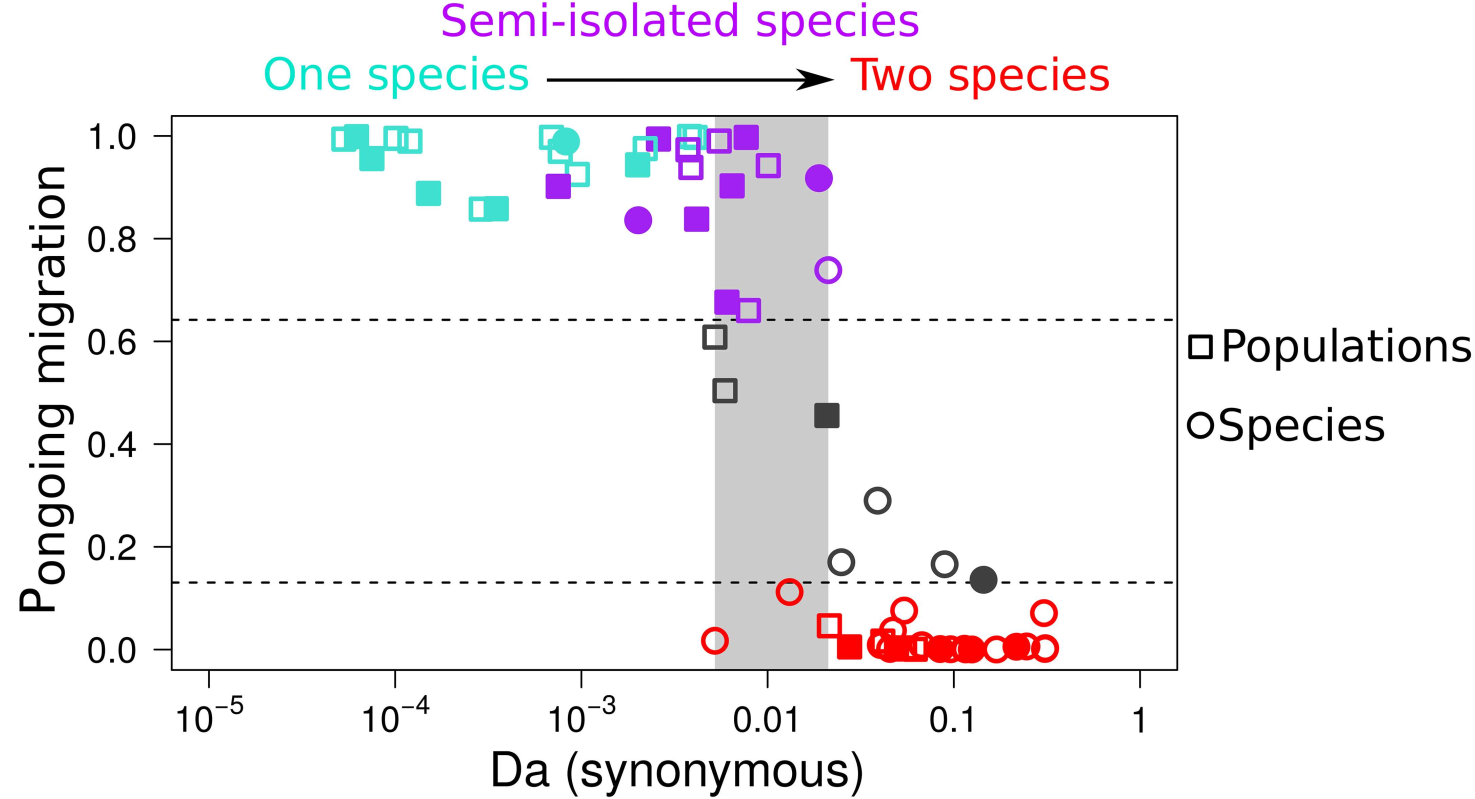
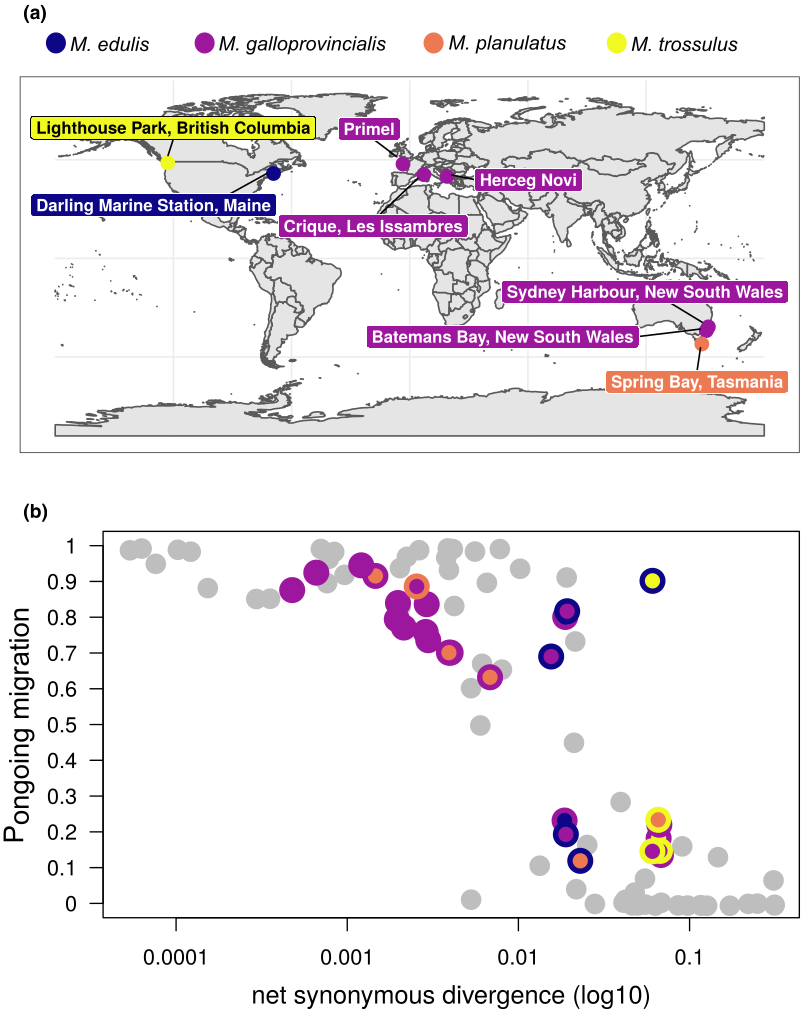
Shedding Light on the Grey Zone of Speciation along a Continuum of Genomic Divergence
First author
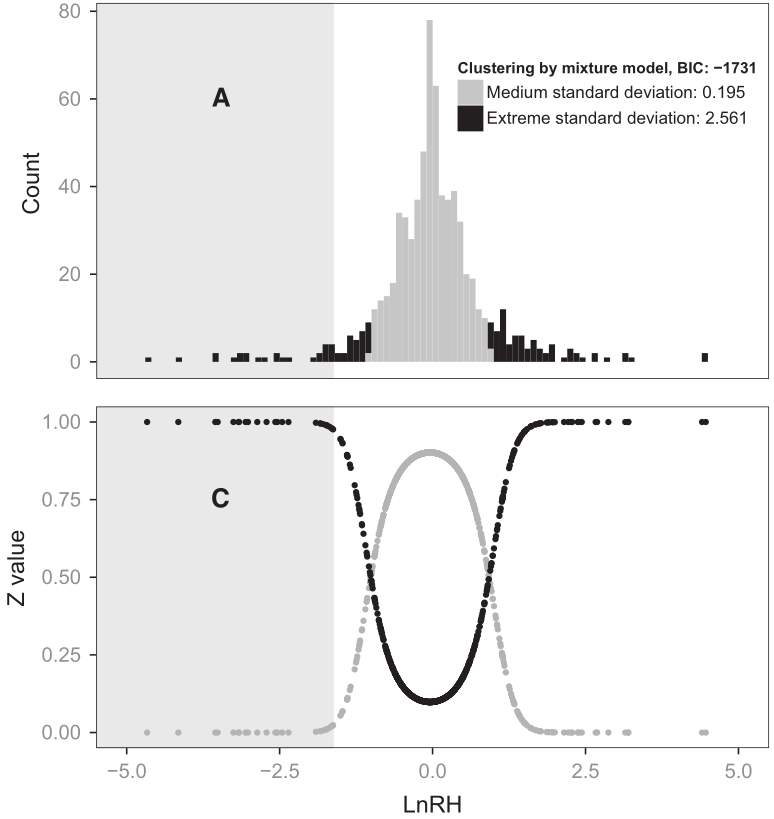
We show that the grey zone of speciation in animals spans roughly 0.5–2% net synonymous divergence, where many lineages are semi-isolated and exchange genes at some loci but not others.
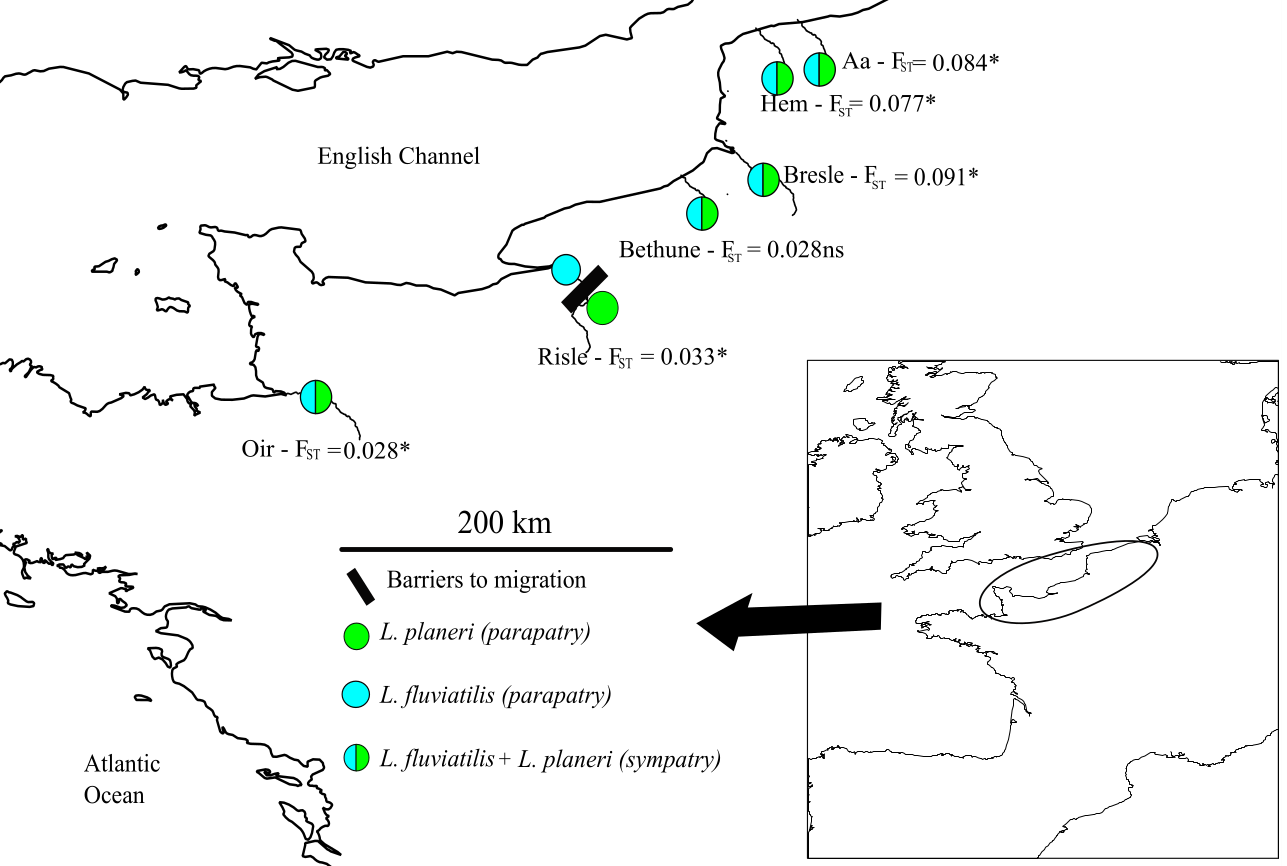
Reconstructing the demographic history of divergence between European river and brook lampreys using approximate Bayesian computations
Co-author
Rougemont et al. use ABC and random forests to compare divergence-with-gene-flow and secondary-contact scenarios in European river and brook lampreys.
Seeking signatures of reinforcement at the genetic level: a hitchhiking mapping and candidate gene approach in the house mouse
Co-author
Smadja et al. search for genetic signatures of reinforcement in the house mouse hybrid zone, using candidate regions linked to assortative mating and olfactory preference.
Inferring the mode of origin of polyploid species from next-generation sequence data
First author
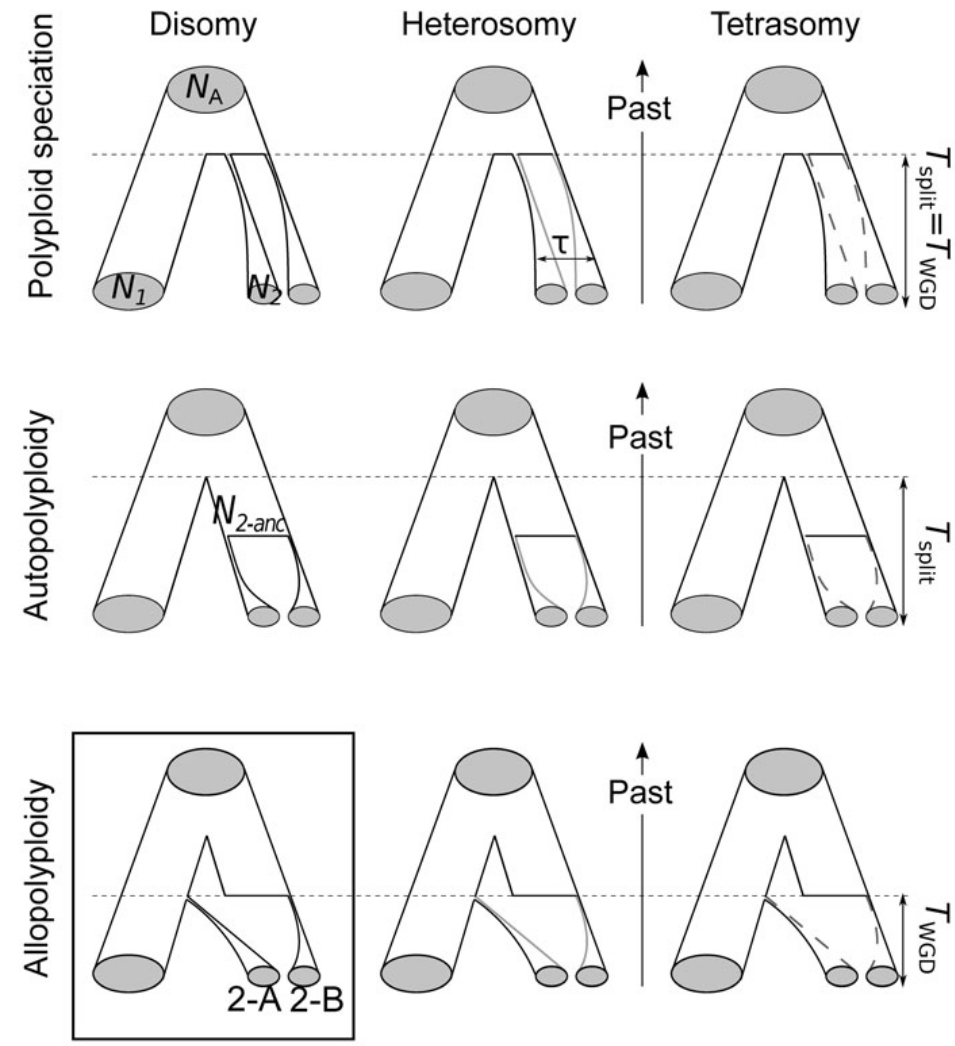
We show that ABC can infer the origin and inheritance mode of polyploid species from sequence data, and support an allopolyploid origin of Capsella bursa-pastoris.
Comparative population genomics in animals uncovers the determinants of genetic diversity
Co-author
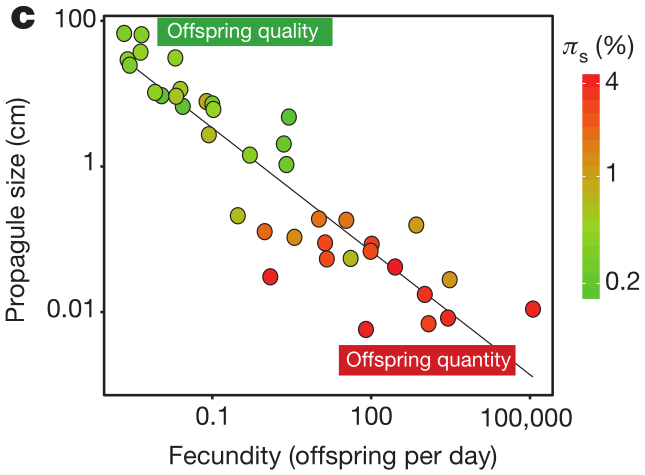
Romiguier et al. show across 76 non-model animal species that genetic diversity is strongly associated with life-history traits, especially the trade-off between offspring quantity and quality.
Can we continue to neglect genomic variation in introgression rates when inferring the history of speciation? A case study in a Mytilus hybrid zone
First author
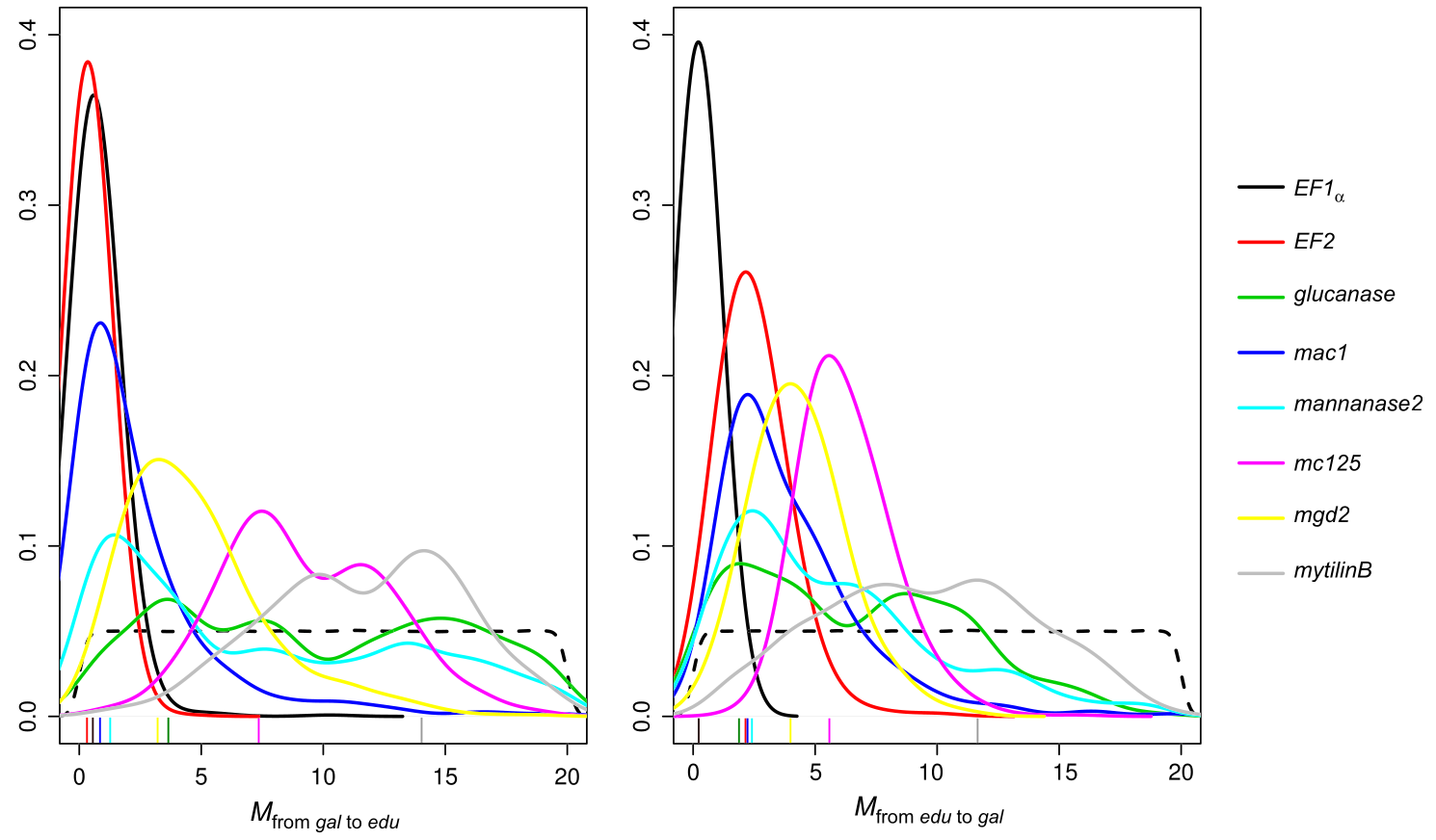
We show that accounting for heterogeneity in introgression rates across loci changes the inferred history of the Mytilus hybrid zone, supporting secondary contact after a long period of allopatric divergence.
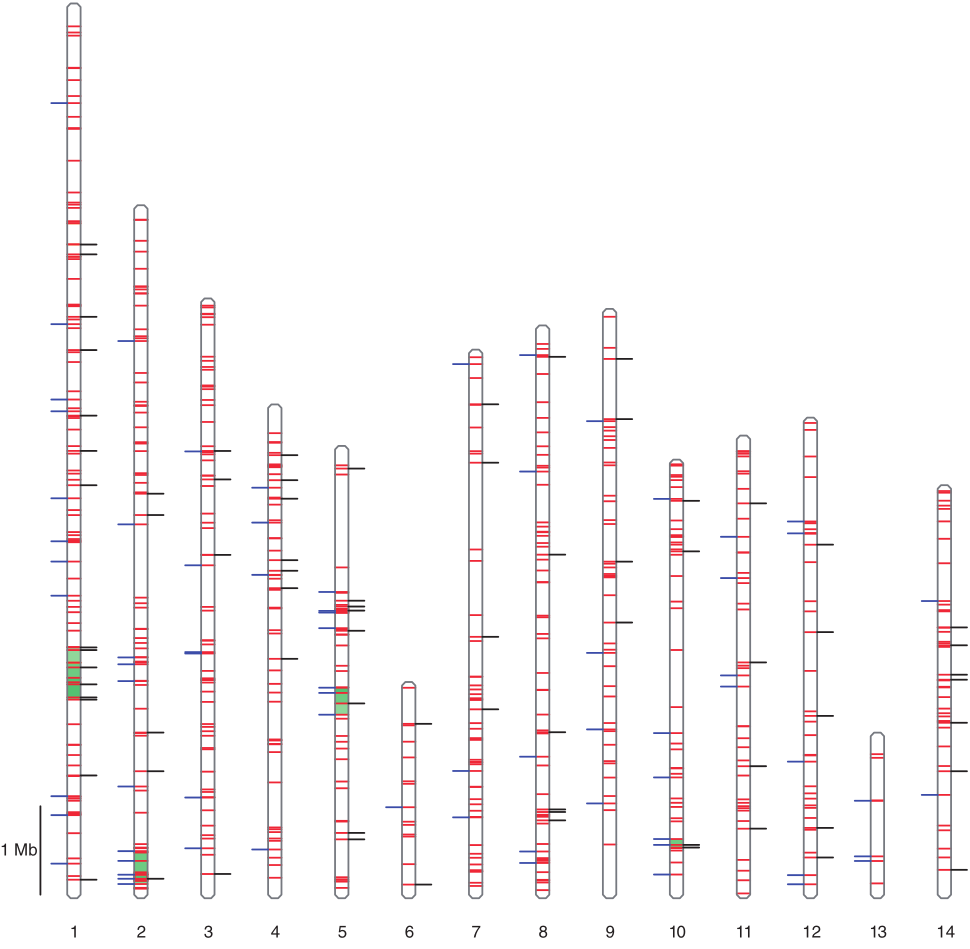
Crossing the Species Barrier: Genomic Hotspots of Introgression between Two Highly Divergent Ciona intestinalis Species
First author
We detect recent secondary introgression between two highly divergent Ciona intestinalis species and identify genomic hotspots of gene flow across an otherwise strong species barrier.
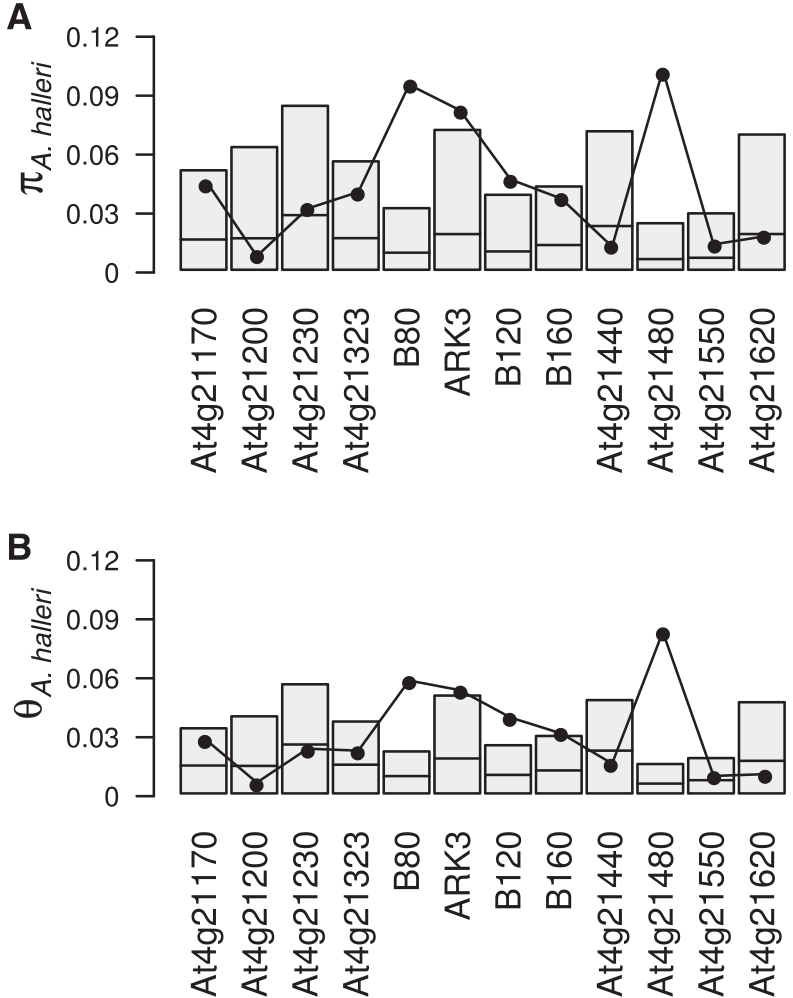
Recent and Ancient Signature of Balancing Selection around the S-Locus in Arabidopsis halleri and A. lyrata
First author
We show that balancing selection at the self-incompatibility S-locus leaves both recent and ancient signatures in nearby genes, but that recombination rapidly confines this effect to a narrow genomic region.
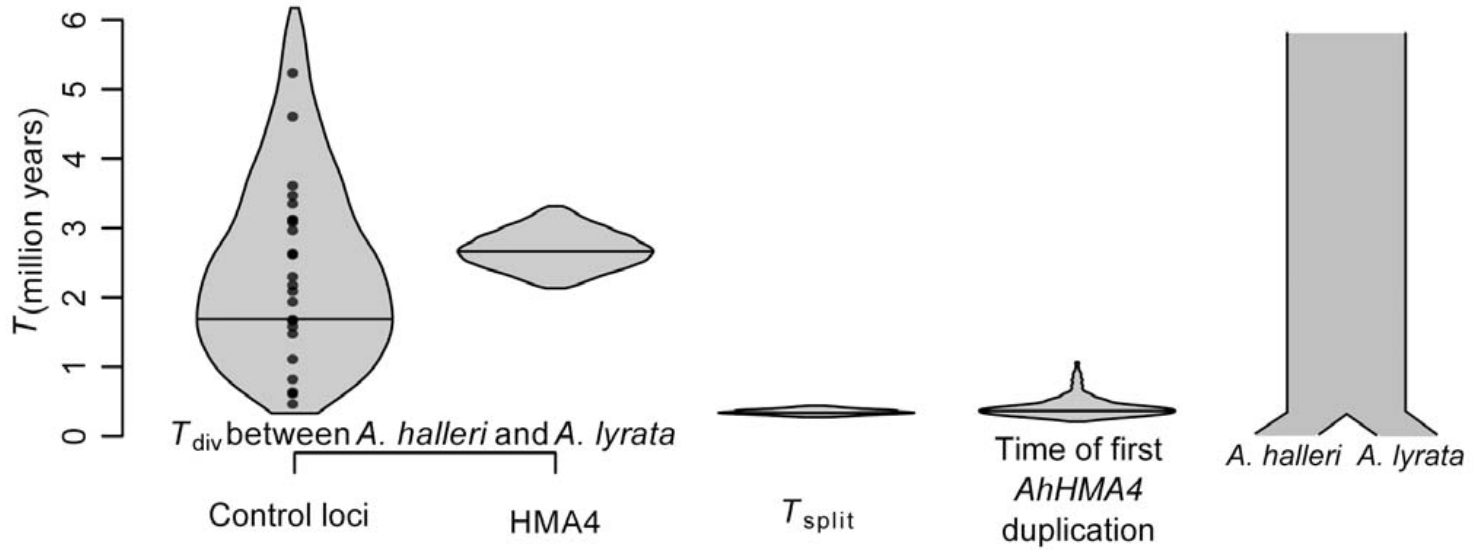
Does Speciation between Arabidopsis halleri and Arabidopsis lyrata Coincide with Major Changes in a Molecular Target of Adaptation?
First author
We show that major changes at the metal-homeostasis gene HMA4 in Arabidopsis halleri likely coincided with the split from A. lyrata, suggesting that adaptation to heavy metals was linked to speciation history.